rspca

Travelling with Pets: Do You Know the Law

Animal Welfare Queensland Law Pet Travel Posted Mar 24, 2026
Dogs and hot cars: A deadly risk

On average every year, RSPCA Queensland receives nearly 700 calls relating to dogs left unattended in hot vehicles. That’s almost 60 every month.

With hot summer conditions across the state, pet owners must understand how dangerous vehicles can be for animals. Inside a parked car, temperatures can become lethal in minutes.

“No animal should ever suffer or lose their life by being left in a hot car,” says RSPCA Qld Chief Veterinarian Dr Anne Chester.

“If you’re not 100% sure your dog can stay with you the entire time, please leave them safely at home.”
How can you help an animal left in a hot car?

If you see a pet in distress inside a vehicle:

  • Call 1300 ANIMAL (1300 264 625) with all details about the car, pet and situation unfolding
  • Or the Police on 000 for cases of emergency where a pet needs urgent assistance
  • If you are in a carpark, notify Centre Management immediately
The dangers of transporting your dog in a ute trailer

Thousands of dogs are injured each year in Queensland while travelling in the back of utes. While common, this method of transport carries serious risks many owners may not realise.

Common hazards include:

  • Choking & Hanging Dangers: Dogs restrained with loose ropes, ties, or long leads can accidentally hang themselves over the side of the tray. Leads with attached choker chains can strangle dogs when vehicles brake suddenly, causing neck and throat injuries even death.
  • Exposed to the Elements: Extreme heat and sun beating down and reflecting back up off the tray can lead to heatstroke, burnt footpads and even death. Pouring rain, hail, windstorms and flying dirt or debris can frighten and injure your pet.
  • Fall from Tray: Dogs may fall or be thrown from the vehicle, resulting in serious injuries or death — either from the fall itself or from being struck by following traffic.
How should I transport my dog in the back of a ute?
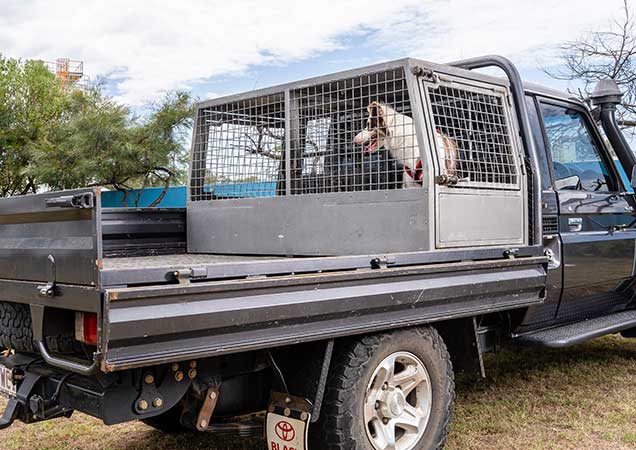
  • The safest option is an enclosed dog crate, securely fixed to the vehicle. Ensure it is the correct size for your dog, well-ventilated and weatherproof, and positioned behind the cabin to reduce dust and wind exposure.
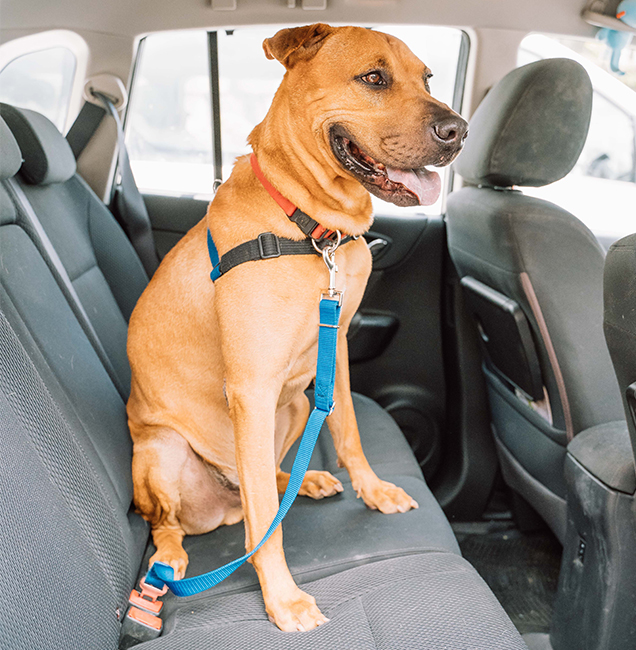
  • Consider using a safety-belt restraint so your dog can travel safely inside the cabin. Ensure the restraint is long enough for your dog to stand and lie down. Use swivels to attach the restraint to both the vehicle and the dog’s collar to prevent the chain from tangling.
  • Do not drive with your dog in the tray of the ute if they are going to be exposed to extreme weather conditions, dusty roads. Ute trays can get very hot in the sun and dogs can burn their footpads, in hot conditions, consider covering the metal floors and take precautions to protect your pet.
  • Provide shelter, dogs left in the sun for long periods can suffer heat stress. Dust particles can harm a dog's eyes, ears, nose and lungs. Provide extra shelter when travelling in very dusty conditions.
  • Remember to rehydrate – the sun and wind can dehydrate your dog. Plan for frequent water stops to give your dog water during long journeys and in hot conditions.
  • Secure loose equipment in the ute tray, loose objects can become missiles in transit and may injure your dog.

What are the implications for not properly securing your dog?

Dog owners are legally required to make sure their dog is safe, secure and comfortable while in transit.

Under the Transport Operations (Road Use Management - Road Rules) Regulation 1999, it is illegal to travel with an unsecured load on the back of a vehicle. An unrestrained dog can be considered 'an unsecured load'.

The Animal Care and Protection Act 2001 requires owners to always ensure their dog’s duty of care. A serious breach of this attracts fines of up to $333,800 or 3 years imprisonment.

What about dogs in regular cars?

Some owners allow dogs to be in the driver’s area of the car, sit on their lap or nap at their feet while on the road. While it is nice to have your pet close, this can substantially interfere with your ability to drive safely. In the event of an accident, an unrestrained dog would likely sustain serious injury from being thrown about.

Police can issue fines up to $500 and three demerit points if they see an animal causing a driver to be not fully in control of a vehicle.

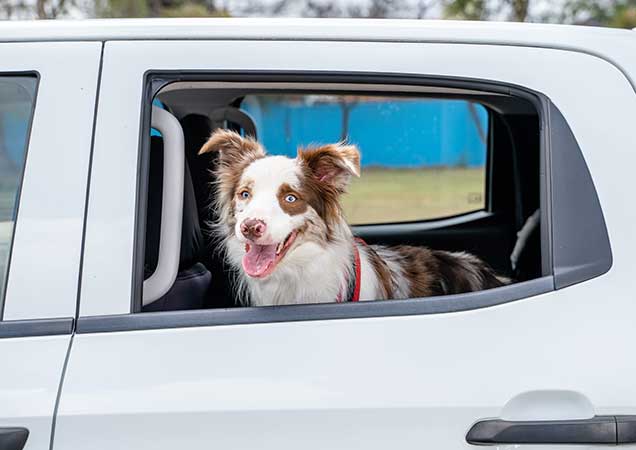
Legislation also states that dogs cannot have more than their head protruding from vehicle windows when driving.

How should I keep my dog safe in the car?

A popular safe option to keep your pet safe in transit is to attach your dog’s harness or collar to your back seat using a seat belt attachment. This keeps your dog in one place and ensures they won’t move too far during a crash or sudden breaking.

RSPCA World For Pets has a range of car restraints and doggie seatbelts for sale, with all proceeds going to finding homes for animals in need.

A ute dog tie will only set you back about $25 while a car safety restraint that attaches to your back seat seatbelt will set you back about $13.

Attach these to your existing dog collars or harness for a safe travel experience for your pet. These easy, low-cost solutions provide peace of mind, protect your pet, and help ensure you stay on the right side of the law. Head to RSPCA World for Pets for car safety restraints.

Emma Lagoon
Share this article
Find the perfect pet